You Didn‘t Choose This Pattern
A Moonday Reflection: A New Lens for the Inner Journey

There are moments in our growth where something new comes along that does not replace what we already know, but deepens it.
This past season, I have been quietly studying a framework that is doing just that for me.
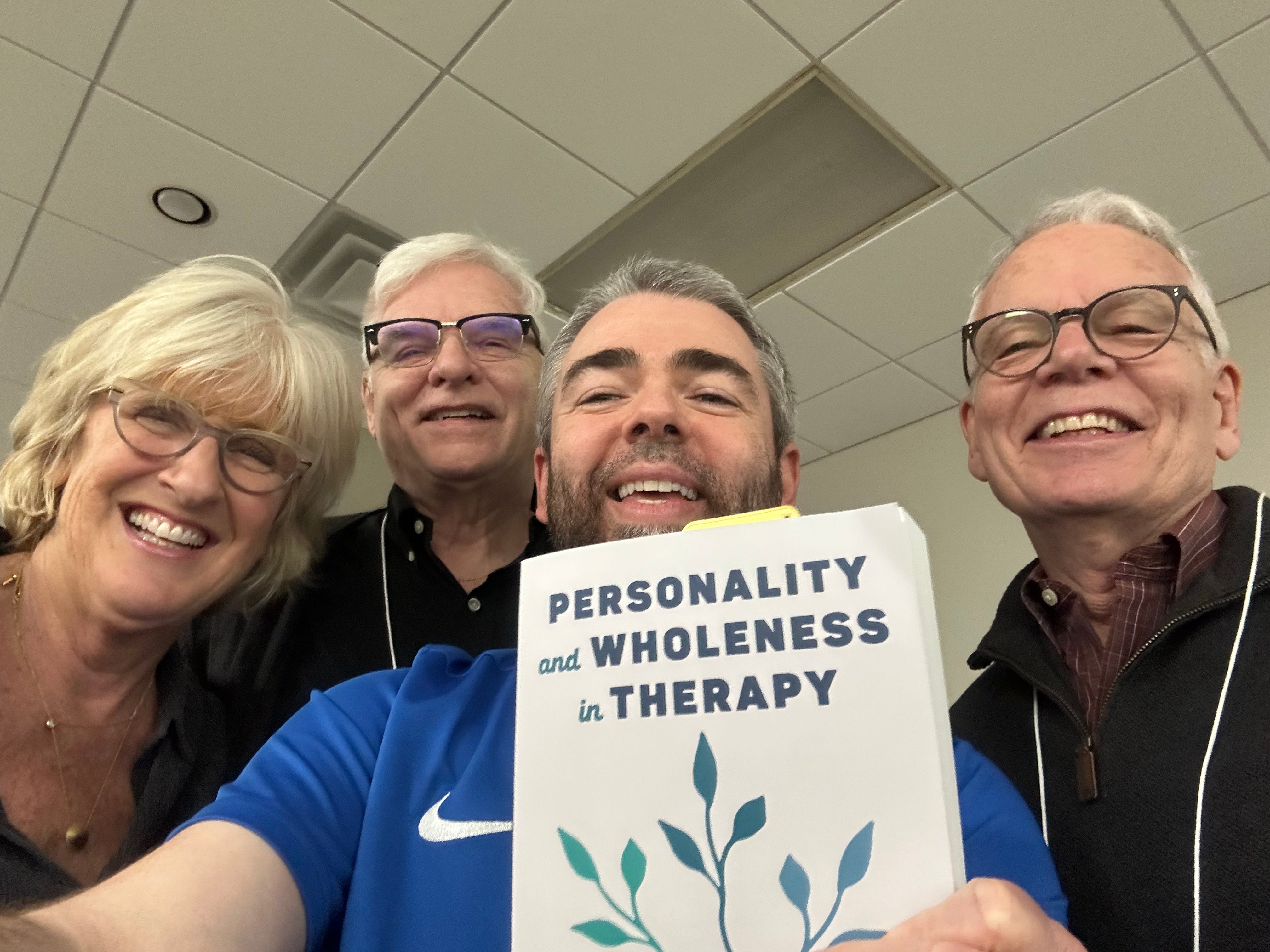
It is called Patterns of Developmental Pathways (PDP) developed by Daniel J. Siegel and a group of collaborators (the PDP Group) including David Daniels (who passed in 2017), David’s daughter Denise Daniels, Laura Baker, and Jack Killen.
I am currently working with Dan toward a professional certification through the Mindsight Institute, engaging the app-based learning platform through PESI.
And I want to offer you a simple window into what I am discovering.
It’s Not a Flaw. It’s a Pathway
And Why this matters
At its core, IPNB, the field pioneered by Dr. Dan Siegel, MD, gives language to something many of us already sense:
Our lives are shaped by the ongoing relationship between
our brain,
our body,
and our relationships.
In other words,
who we are becoming is not random.
It is patterned.
It is shaped over time.
And it can be gently reshaped through greater awareness and personal practice.
A simple way to understand it
One of the models emerging from this work is called Patterns of Developmental Pathways or PDP for short.
Here is the basic idea.
“We start in the womb and we are whole” writes Carol Dweck in her chapter of Oliver John’s book Handbook of Personality.
In IPNB terms, Wholeness describes this one crucial aspect of experience that may be called “effortless being”, proposed by IPNB to be encoded deep into the developing brain’s implicit memory (as early as 3 months in utero!), that remains with each human being for life.
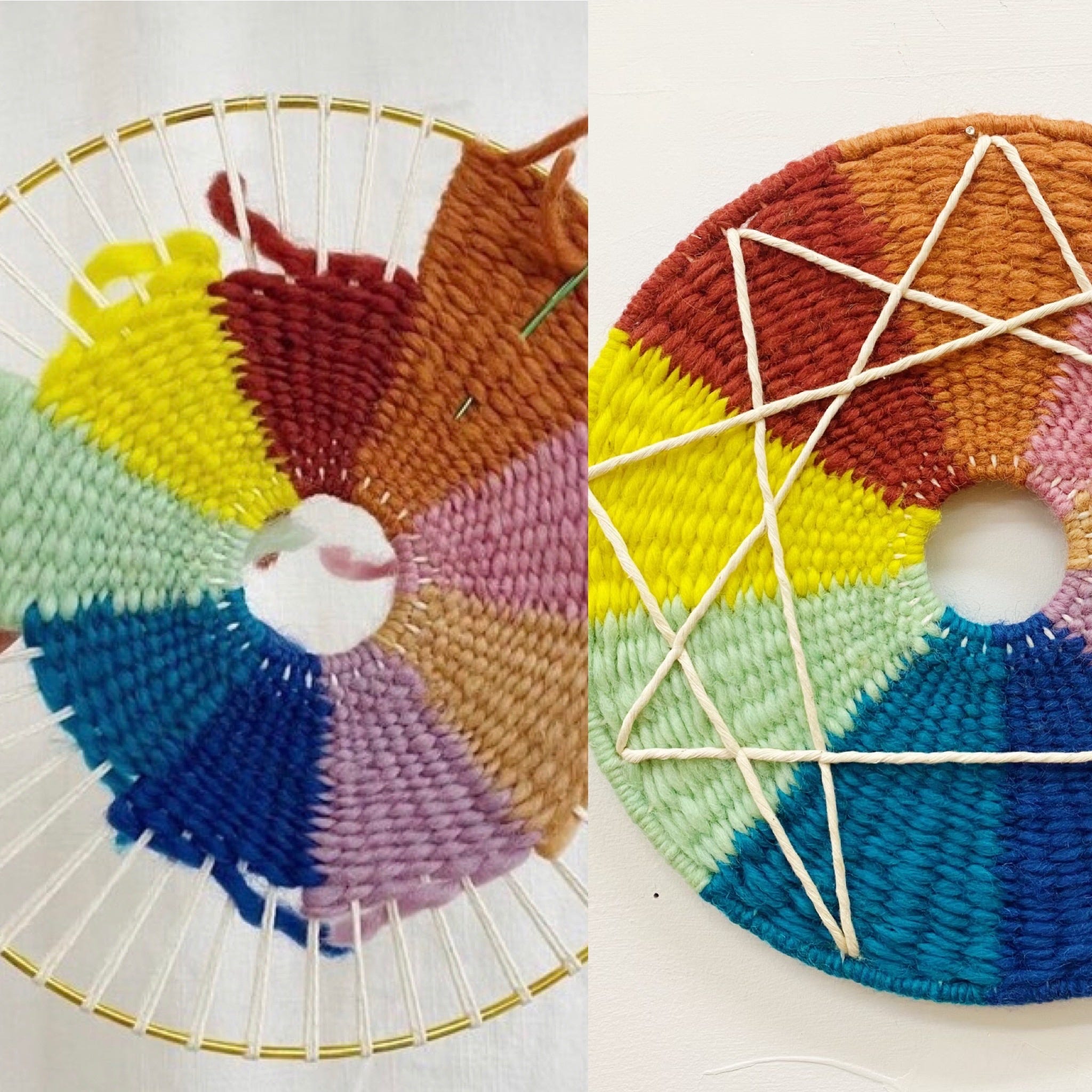
After being born our human body undergoes a drastic change in environment!
From the womb environment marked by “effortless being” to what the PDP Group calls “doing for a living.”
Once born into this world it’s basically a “do or die” set up: in other words, most fundamentally you have to breathe, eat, learn to walk and talk etc. if you’re going to have a chance in the volatile, uncertain, complex and ambiguous (VUCA) world.
Each of us, very very early in life then began organizing ourselves around a few core biological needs:
- The need and motivational drive to act and have impact • “embodied empowerment” or: “Agency” (A)
- The need to connect and belong • “relational connection” or: “Bonding” (B)
- The need to understand and feel safe • “prediction & safety” or: “Certainty” (C)
You might recognize these as echoing the gut/body, heart, and head centers of the Enneagram of Personality.
What this framework suggests is that our personality is not just a set of habits.
It’s patterns and pathways (“adaptive strategies”) our nervous system has evolved to try to meet those core needs in the environment we were given.
Why I am drawn to this
If you have worked with me, you know that my focus is not simply behavior change.
I am interested in something deeper.
I often describe my work as conscious evolution coaching, and see myself as personal development coach who is Enneagram informed and trained also in the art of Spiritual Guidance.
I come alongside people who are already functioning in their lives, but who sense there is more.
More awareness.
More freedom.
More honesty.
More presence.
Through the Enneagram and contemplative practices, we begin to:
- See our patterns clearly & honestly
- Relate to them with compassion instead of judgment
- Re•orient to a deeper identity beneath those patterns
- And begin to live with greater integrity and freedom
What this new framework adds is a kind of grounding in presence and an anchoring in Wholeness as a lifespan model and deep inner compass accessible through contemplative practice;
the BiG 2 I highlight here are:
1- Centering Prayer meditation 🧘 🧘🏿♀️ 🧘🏻♂️ (CP)
2- the Wheel of Awareness practice (click to explore!)
The PDP [or this, for me, deep Enneagram-informed] frame paired with daily meditation practice helps us see that these patterns are not identities nor failures.
They are adaptations.
They are intelligent attempts by the nervous system to survive, belong, and make sense of the world.
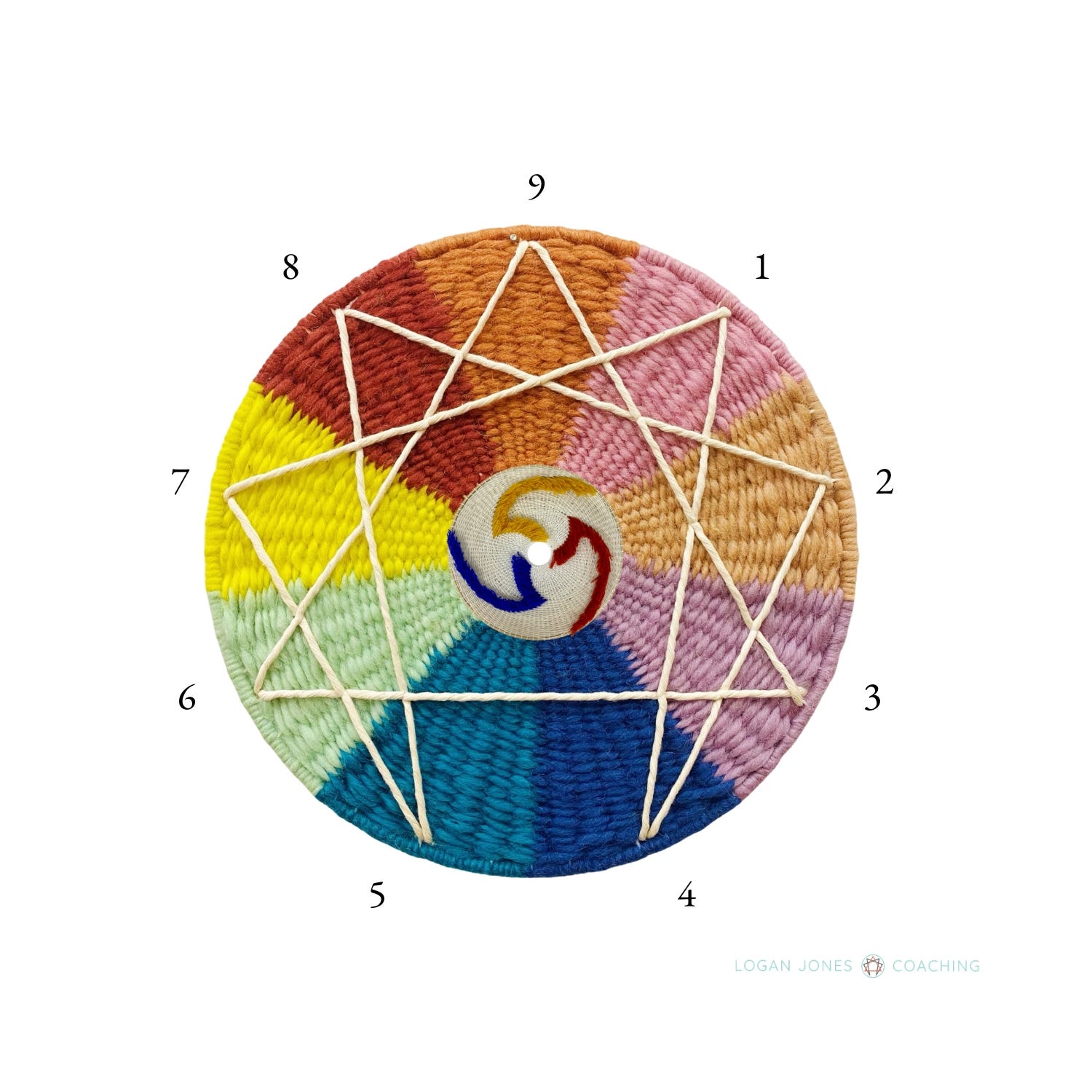
What this changes: A Softer Way to Understand Yourself
When we begin to see our patterns this way, something softens.
We move from:
"What is wrong with me?"
to:
"What happened in me that led me to become this way?"
And even more gently:
"What is my system still trying to protect or receive?"
This is where the work becomes deeply compassionate.
And deeply transformative.
A felt-sense invitation
As you move through your week,
you might try a simple noticing practice.
When you feel tension, reactivity, or contraction, pause and ask:
Am I trying to control or act right now?
Am I longing to connect or be seen?
Am I trying to figure something out or feel safe?
There is no need to fix anything.
Just notice.
This kind of awareness is the beginning of integration and a renewed sense of living from wholeness as we continue to grow and evolve consciously as both a provisional solo-self “me” (an ‘ego’ of sorts) in a body and a relational “we” (the ‘essence’ of what it is to be human perhaps best captured by Thich Nhat Hanh as “we inter-are”).
This Luminous Both-And
is what is our deepest identity.
Closing
I am still early in this learning journey, but I can already feel how this framework is enriching the way I sit with people: whether in Development Coaching or in Spiritual Direction spaces.
It brings together science and spirituality in a way that feels grounded, compassionate, and deeply human.
And for those of you walking the path of inner work, I believe it offers something of real value.
Not as another system to master.
But as a way to better understand the life that is already unfolding within you and calling for your consent and participation.
Grace, peace, and every good to you on this Moonday.
— Logan
Thank you Logan. Exploring Consciousness, patterns, and responses opens new insights to identity within ourselves and ourselves within the Ultimate Mystery. An exciting path to be on